

by Mary E. Pettit, NBCT, Ed.D
In the ever-evolving landscape of education, teachers are frequently bombarded with new initiatives, strategies, and frameworks promising to enhance student learning. It’s easy to feel overwhelmed and skeptical when yet another program is introduced, leading to the misconception that Universal Design for Learning (UDL), (CAST, 2024) is just another initiative on the long list of educational fads. However, UDL is not merely a new program; it represents a fundamental mindset shift that can truly transform your teaching practice and significantly benefit your students.
With UDL, teachers transition their role to facilitator, removing barriers to learning by giving students options and choices that empower them to take control of their own learning and reach rigorous state-standards.
Katie Novak, Novak Education Consulting
A Framework for Success
At its core, UDL is about creating flexible learning environments that accommodate the diverse needs of all students. The framework is built on three principles: providing multiple means of engagement, representation, and action/expression. When educators plan using the UDL framework, they are not only considering the content they teach but also how they present that content and how students can demonstrate their understanding. This holistic approach ensures that all learners, regardless of their backgrounds or abilities, have equal opportunities to succeed.
Reducing Planning Time

One of the most significant advantages of adopting a UDL mindset is the reduction in planning time. Traditional lesson planning often requires extensive preparation tailored to different learning styles, a theory which has long since been debunked, which can become time-consuming and exhausting. By integrating UDL principles, educators can streamline their planning process. For instance, when you design lessons that offer multiple means of engagement, representation, and expression, you create a single lesson that caters to diverse learners rather than preparing separate lessons for each “style”, an ineffective and unnecessarily time consuming planning strategy. This not only saves time but also encourages more efficient use of resources.
Empowering Students with Voice & Choice

UDL places a strong emphasis on giving students voice and choice in their learning. By allowing learners to select how they engage with content and demonstrate their understanding, teachers foster a sense of ownership and agency. This empowerment leads to increased motivation and investment in the learning process. Research has shown that when students feel they have a say in their education, their engagement levels rise, leading to better academic outcomes.
For example, in a UDL-aligned classroom, students might choose to work on a project individually or collaboratively, select their preferred method of demonstrating knowledge—be it through a presentation, a written report, or a creative project—or even decide which topics they want to explore further. This level of autonomy nurtures a love for learning and encourages students to take responsibility for their academic journeys.
A Mindset Shift: Addressing Initiative Fatigue
One critical aspect of the current educational landscape is the phenomenon of initiative fatigue. Educators often find themselves inundated with a barrage of new programs and strategies, leading to feelings of overwhelm and burnout. Research indicates that when teachers are faced with numerous initiatives without adequate support or clear alignment with their needs and contexts, their engagement declines. This can create a cycle of disillusionment where educators struggle to implement these initiatives effectively, perceiving them as disconnected from their everyday realities.

The misconception that UDL is just another initiative can exacerbate this fatigue. However, UDL is actually a comprehensive framework designed to support educators in creating inclusive and effective learning environments. By adopting UDL, teachers can reduce the cognitive load associated with planning and responding to various initiatives. UDL encourages a more streamlined approach to instruction, allowing educators to focus on what truly matters: meeting the diverse needs of their students.
Moreover, by embracing UDL as a foundational mindset, educators can shift away from the reactive nature of initiative overload and move towards proactive, thoughtful planning that supports all learners. This not only alleviates the burdens of initiative fatigue but also fosters a more positive and collaborative school culture.
Research supports the idea that when teachers embrace UDL, they not only enhance their effectiveness but also cultivate a more responsive and supportive classroom culture. By prioritizing the diverse needs of students and employing UDL principles, educators can foster an environment where all students thrive.
Increasing Engagement and Involvement
Engagement is a critical component of effective teaching and learning. UDL provides educators with strategies to create a more inclusive and engaging environment. By recognizing and addressing potential barriers to learning, teachers can cultivate a classroom atmosphere where all students feel valued and included.
Incorporating UDL principles can lead to more interactive lessons that inspire students to participate actively. For instance, using technology to present information in diverse formats—such as videos, podcasts, and interactive simulations—can stimulate interest and encourage deeper exploration of the subject matter. Additionally, fostering collaboration and community among students can enhance their sense of belonging, further boosting engagement.
Conclusion
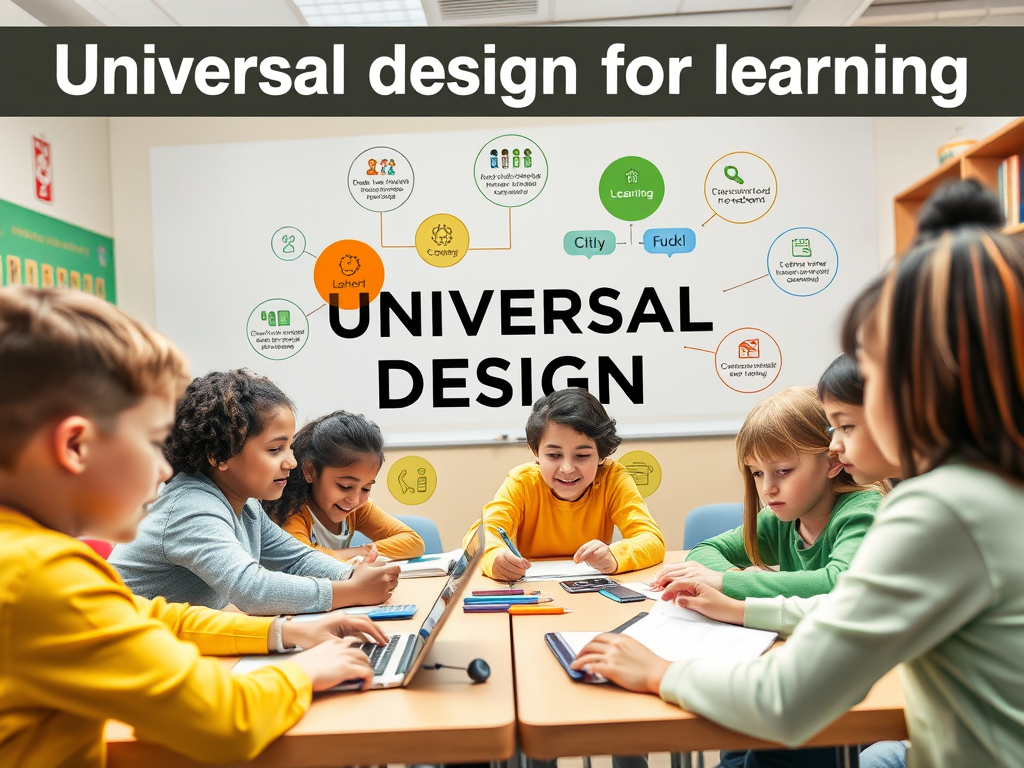
In conclusion, Universal Design for Learning has the potential to revolutionize your teaching practice. By planning with the UDL framework, you can reduce planning time, empower students with voice and choice, and increase engagement and involvement. Embracing UDL is not just about implementing another initiative; it’s about adopting a transformative mindset that prioritizes inclusivity and accessibility. As educators, we have the power to shape the learning experiences of our students, and UDL provides the tools to create an environment where every learner can succeed. Let’s embrace this journey together and make a lasting impact on our students’ lives.
Get Started with Universal Design for Learning
If you’re interested in learning more about how to begin using a Universal Design for Learning (UDL) framework to guide your planning, or if you’re looking to schedule professional development and coaching sessions for your school, we encourage you to reach out for support.
Contact Dr. Mary E. Pettit at Universal Digital Literacies Solutions. Dr. Pettit has extensive experience in implementing UDL principles and can provide valuable insights tailored to your specific context. Whether you’re just getting started or seeking to deepen your understanding of UDL, Dr. Pettit can help facilitate a transformative journey for you and your colleagues.
Together, let’s create inclusive learning environments that empower every student to thrive!

 Universal Digital Literacy Solutions, LLCoo IPO IPO oooooòoo ooo o ooo I I I ooo ooo I iio
Leave a comment